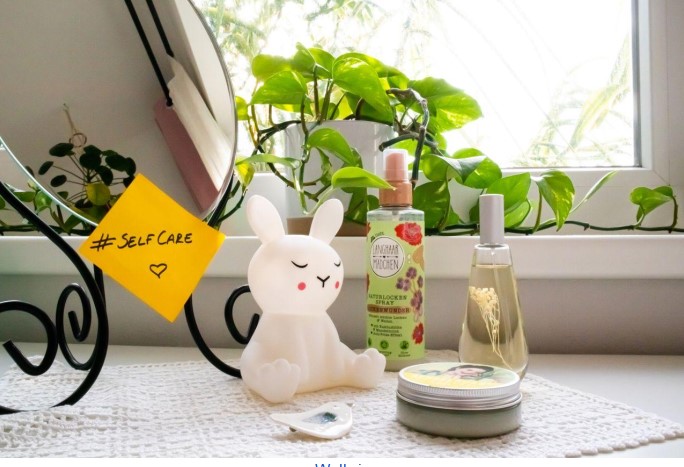
Taking care of yourself does not have to come with a high price tag. While many people associate self-care with expensive spa treatments or luxury products, true self-care is about creating habits that support your physical, mental, and emotional well-being. With thoughtful planning, you can invest in yourself while staying within your financial limits.
Budgeting for self-care helps you maintain consistency instead of relying on occasional splurges. When you set realistic spending limits, you are more likely to continue healthy routines that improve your overall quality of life. The goal is not to spend more—it is to spend wisely.
Define What Self-Care Means to You
Self-care looks different for everyone. For some, it means exercising regularly or preparing nutritious meals. Others may prioritize reading, meditation, creative hobbies, or spending time outdoors.
Before setting a budget, identify the activities that genuinely help you feel refreshed and balanced. Focus on experiences that provide long-term value instead of temporary satisfaction. This approach makes every dollar you spend more meaningful.
Create a Monthly Wellness Budget
Once you know your priorities, determine how much you can comfortably allocate toward self-care each month. Treat it as an essential category rather than an afterthought.
Your wellness budget may include:
- Gym memberships
- Fitness classes
- Healthy groceries
- Mental health resources
- Personal care products
- Hobby supplies
- Relaxation activities
Setting aside even a modest amount each month can make a noticeable difference without affecting your other financial responsibilities.
Separate Needs from Wants
One of the easiest ways to stay on budget is learning to distinguish necessities from optional purchases.
For example, replacing worn-out running shoes that support your health may be a worthwhile investment. Purchasing multiple luxury beauty products simply because they are trending may not provide the same long-term value.
Being intentional about your purchases helps reduce impulse spending while ensuring your money supports your wellness goals.
Plan for Unexpected Health Expenses
Life is unpredictable, and sometimes self-care includes addressing unexpected medical or personal needs. Creating a small emergency fund specifically for health-related expenses can reduce financial stress when surprises happen.
Some individuals also explore flexible financing solutions like Lamina loans for larger planned expenses when appropriate. However, borrowing should always be approached responsibly, with careful consideration of repayment terms and your overall financial situation.
Invest in Professional Guidance When Needed
There are situations where professional advice can save both time and money. Instead of experimenting with countless diets or exercise plans, working with an experienced professional may help you develop a personalized strategy.
For example, someone seeking long-term health improvements may choose to consult a weight loss specialist in Guelph to receive structured guidance based on individual goals and medical history. Personalized support often leads to more sustainable results than constantly trying new trends.
Save Money with Smart Shopping Habits
Budget-conscious self-care does not mean sacrificing quality. Instead, look for opportunities to maximize your spending.
Helpful strategies include:
- Comparing prices before buying
- Using loyalty rewards
- Waiting for seasonal sales
- Purchasing only what you will actually use
- Buying higher-quality items that last longer
These habits allow you to enjoy self-care while minimizing unnecessary expenses.
Remember That Self-Care Includes Confidence
Personal grooming can also play an important role in self-care by boosting confidence and helping you feel prepared for everyday life.
If beauty treatments are part of your routine, planning purchases ahead of time can prevent overspending. Many professionals and enthusiasts carefully research lash extension supplies in Toronto to balance product quality with affordability, helping them maintain consistent results while staying within budget.
The key is choosing products that align with your needs instead of purchasing every new item released on the market.
Don’t Overlook Free Self-Care Activities
Some of the most effective self-care habits cost nothing at all.
Consider activities such as:
- Walking in your neighborhood
- Stretching at home
- Journaling
- Reading library books
- Practicing mindfulness
- Cooking healthy meals
- Calling a friend
- Getting adequate sleep
These simple habits contribute significantly to your physical and emotional well-being while helping you stick to your financial goals.
Review Your Budget Regularly
Your priorities will naturally change over time. Reviewing your wellness budget every few months allows you to adjust based on your current needs.
You may decide to increase spending on fitness while reducing spending on beauty products, or vice versa. The important thing is ensuring your budget continues to reflect what genuinely improves your life.
Tracking your expenses also helps identify subscriptions or purchases that no longer provide value, allowing you to redirect those funds toward more meaningful forms of self-care.
Budgeting for self-care is about creating a healthy balance between financial responsibility and personal well-being. By planning your spending, prioritizing what truly matters, and making thoughtful purchasing decisions, you can build sustainable habits that benefit both your wallet and your overall health. Remember that self-care is not defined by how much you spend—it is measured by the positive impact it has on your daily life and long-term wellness.