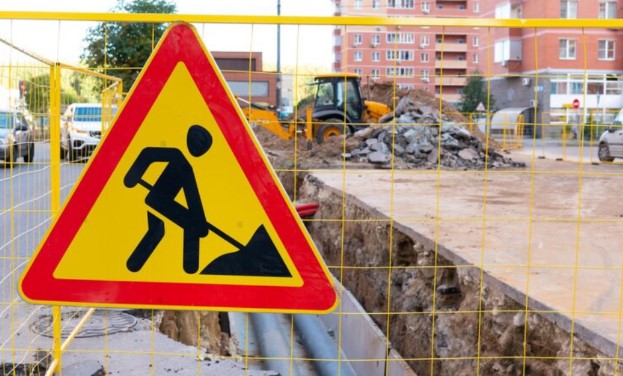
Construction zones are busy places where workers, drivers, and pedestrians face many risks every day. From moving machinery to uneven surfaces, the potential for accidents is high. This is why safety signs are essential tools to prevent injuries and keep everyone informed. Using clear, visible signs helps reduce confusion and ensures that people know how to act safely around construction sites.
The Role of Safety Signs in Preventing Accidents
Safety signs serve as immediate warnings about dangers in construction areas. They alert workers to hazards such as falling objects, slippery floors, or high-voltage areas. By clearly marking these risks, safety signs give people the chance to take precautionary measures. Without them, workers might unknowingly enter dangerous zones, increasing the chances of accidents. These signs also remind workers to use personal protective equipment like helmets, gloves, or reflective vests, which are crucial for maintaining safety standards.
Guiding Traffic and Pedestrians
Construction zones often disrupt normal traffic flow. Vehicles and pedestrians may need to navigate new routes or temporary detours. Safety signs play a key role in guiding everyone safely through these areas. Road signs can indicate speed limits, lane closures, or upcoming hazards, helping drivers adjust their speed and direction accordingly. For pedestrians, signs can point out safe walking paths and restricted zones. This guidance minimizes confusion and prevents collisions between vehicles, equipment, and people.
Communicating Important Safety Information
In addition to warning about hazards, safety signs provide important instructions that workers and visitors must follow. Signs can indicate where first aid kits, emergency exits, or fire extinguishers are located. They also remind people about rules such as “No Entry,” “Hard Hat Area,” or “Authorized Personnel Only.” Clear communication through signs ensures that everyone on site understands the safety requirements, which reduces the likelihood of accidents and injuries.
Increasing Awareness and Safety Culture
Safety signs do more than just provide information—they help create a culture of safety. When workers see consistent signage across a construction site, they become more aware of potential dangers. This constant reinforcement encourages careful behavior and adherence to safety rules. Over time, it fosters a mindset where safety becomes a priority rather than an afterthought. A strong safety culture benefits both employees and the overall productivity of the project.
Proper Placement and Maintenance of Safety Signs
The effectiveness of safety signs depends on their visibility and condition. Signs must be placed in locations where they are easy to see and read, especially near high-risk areas. Regular maintenance is also important to ensure that signs remain legible and intact. Faded, damaged, or blocked signs can fail to communicate critical warnings, putting everyone at risk. By maintaining proper placement and upkeep, construction managers can maximize the protective benefits of safety signs.
Conclusion
Safety signs are vital for improving safety in construction zones. They prevent accidents by warning of hazards, guide traffic and pedestrians, communicate essential safety instructions, and promote a culture of safety. Proper placement and regular maintenance ensure that these signs remain effective at all times. By prioritizing the use of safety signs, construction sites can protect workers, visitors, and the public, creating a safer environment for everyone involved.